



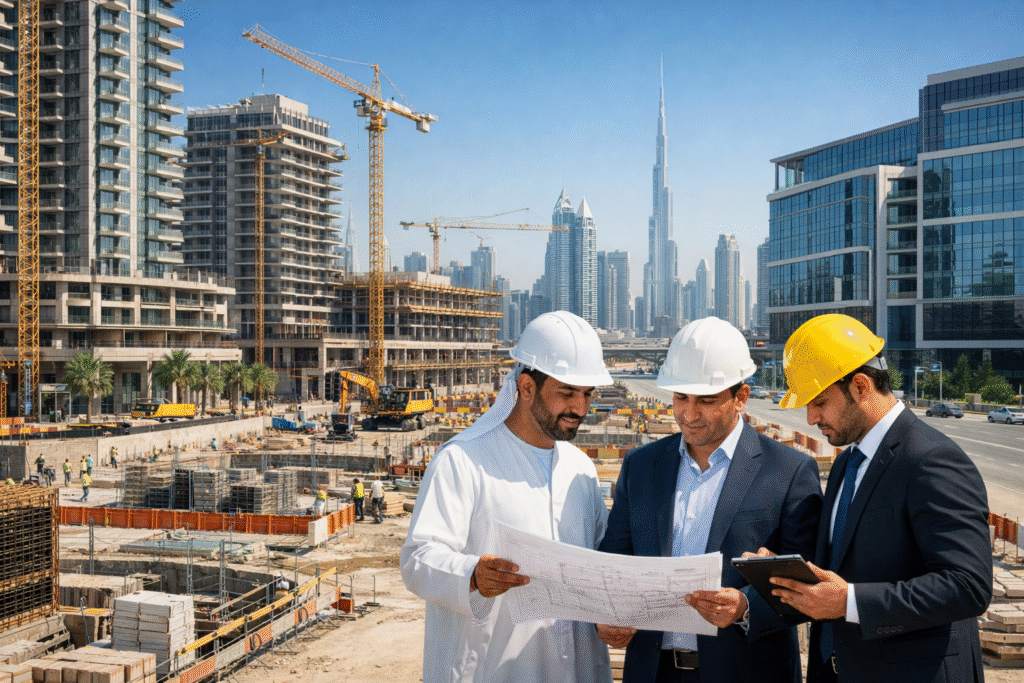
Residential and commercial developers UAE play a defining role in how modern cities are planned, built, and experienced. From skyline residences to high-performing business districts, their decisions influence lifestyles, investment confidence, and long-term urban value. This blog explains how developers operate, why investors pay close attention, and how smart strategies can create sustainable growth across the UAE property landscape. Their approach to governance, design integration, and execution quality directly shapes how communities evolve over time. By aligning development strategies with regulatory standards and market demand, they help stabilize property cycles and protect asset value. This structured development mindset supports economic resilience, attracting both regional and global investors to the UAE market.
Table of Contents
How residential and commercial developers UAE operate in structured markets?
Understanding developers begins with clarity on responsibility and vision. residential and commercial developers in UAE manage land acquisition, planning approvals, design coordination, construction oversight, and complete project delivery. Their work is shaped by regulatory frameworks, market demand, and investor expectations. For real estate project investors UAE, developers function as the execution force that transforms financial input into real, usable assets. This partnership depends on trust, transparency, and long-term planning to ensure projects remain valuable well after completion.
Understanding the Developer’s Role in UAE Property Markets
Developers are not just builders. They are planners, risk managers, and value creators. In the UAE, developers balance residential comfort with commercial efficiency, ensuring communities remain functional and attractive. Their responsibilities include feasibility studies, compliance with local regulations, and aligning projects with market demand. This is where informed decision-making becomes vital for property investment stakeholders in the UAE, as the developer’s experience directly impacts timelines, construction quality, and long-term returns.
Trusted industry insights are often accessed through 4qh, helping stakeholders understand evolving development standards and market expectations.
How real estate project investors UAE evaluate developer-led projects
Real estate project investors UAE focus on location strength, developer track record, and project sustainability. They review delivery history, construction quality, and post-handover management. Financial structuring and phased development plans are also key considerations. A reliable developer reduces uncertainty and enhances asset stability. Market-aligned insights shared via 4qh help investors evaluate projects with greater confidence.This evaluation process helps investors anticipate long-term performance rather than short-term gains. Clear governance structures and transparent reporting further support informed investment decisions. By relying on verified data and expert analysis, investors can better align their portfolios with stable, growth-oriented developments.
Benefits of choosing experienced developers
Working with established developers brings consistency and reduced risk. residential and commercial developers UAE with strong governance ensure timely delivery and regulatory compliance. Their integrated approach improves cost control, design quality, and long-term asset performance. This directly benefits stakeholders seeking predictable outcomes. Investors often rely on knowledge sources such as 4qh to understand which development practices support sustainable value.Such developers also prioritize transparent reporting and ethical decision-making, which strengthens investor confidence over time. By adopting sustainability standards and advanced construction technologies, they enhance project resilience and market appeal. This disciplined framework creates enduring value for end users, partners, and the wider real estate ecosystem.
10 Pro Tips
- Study delivery history
Always review completed projects to understand quality and timeline discipline.
Past delivery performance often reflects how well future commitments will be handled. - Check regulatory compliance
Ensure approvals and documentation are transparent and complete.
Compliance reduces legal risks and prevents costly delays during development. - Evaluate location fundamentals
Strong infrastructure supports long-term property performance.
Access to transport, utilities, and services increases usability and value. - Review construction partners
Reliable contractors improve build quality and durability.
Experienced partners help maintain standards and avoid structural issues. - Understand phasing strategy
Phased projects reduce financial and market risk.
They allow developers to adapt supply based on demand conditions. - Assess post-handover plans
Good management preserves asset value after completion.
Maintenance quality directly affects tenant satisfaction and resale value. - Align with market demand
Projects should match residential and commercial needs.
Demand-driven planning helps avoid oversupply and vacancy challenges. - Confirm financial structuring
Clear funding models protect investor interests.
Transparent cash flow planning supports project stability. - Monitor communication clarity
Consistent updates reflect professional management.
Clear communication builds trust throughout the development lifecycle. - Use trusted market insights
Guidance from 4qh supports informed decision-making.
Reliable insights help investors avoid speculation-based choices.
FAQs
1. How do residential and commercial developers UAE impact investment security?
They influence construction quality, delivery timelines, and regulatory compliance. Strong developers reduce operational risk. Their experience supports predictable returns and long-term asset stability.
2. What should real estate project investors UAE review before committing?
Investors should analyze developer history, project feasibility, and market demand. Financial transparency is essential. Clear governance builds confidence in outcomes.
3. Why is developer reputation important in the UAE?
Reputation reflects delivery consistency and ethical practices. It affects buyer trust and resale value. Strong reputations often correlate with sustainable project success.
4. How can investors stay informed about developer trends?
Monitoring market analysis and regulatory updates is critical. Reliable insights from 4qh support smarter evaluation. Staying informed reduces decision risks.
5. What defines a successful mixed-use development?
Balanced residential comfort and commercial efficiency are key. Location integration and infrastructure planning matter. Long-term management completes the success cycle.
Conclusion
The UAE property sector thrives on strategic planning and disciplined execution. residential and commercial developers UAE act as the backbone of this growth, translating vision into valuable assets. For real estate project investors UAE, aligning with experienced developers improves security, performance, and sustainability. By applying informed evaluation, practical tips, and trusted insights from 4qh, stakeholders can participate confidently in the evolving real estate landscape. Well-structured developments also support long-term urban stability and economic resilience. This balanced approach helps ensure consistent value creation across both residential and commercial segments.
